Padel vs Tennis: Which Holiday Sport Is Right for You?
An honest comparison of padel and tennis holidays, covering skill requirements, social dynamics, fitness demands, and which sport suits different traveller personalities.
Learning Curve and Accessibility
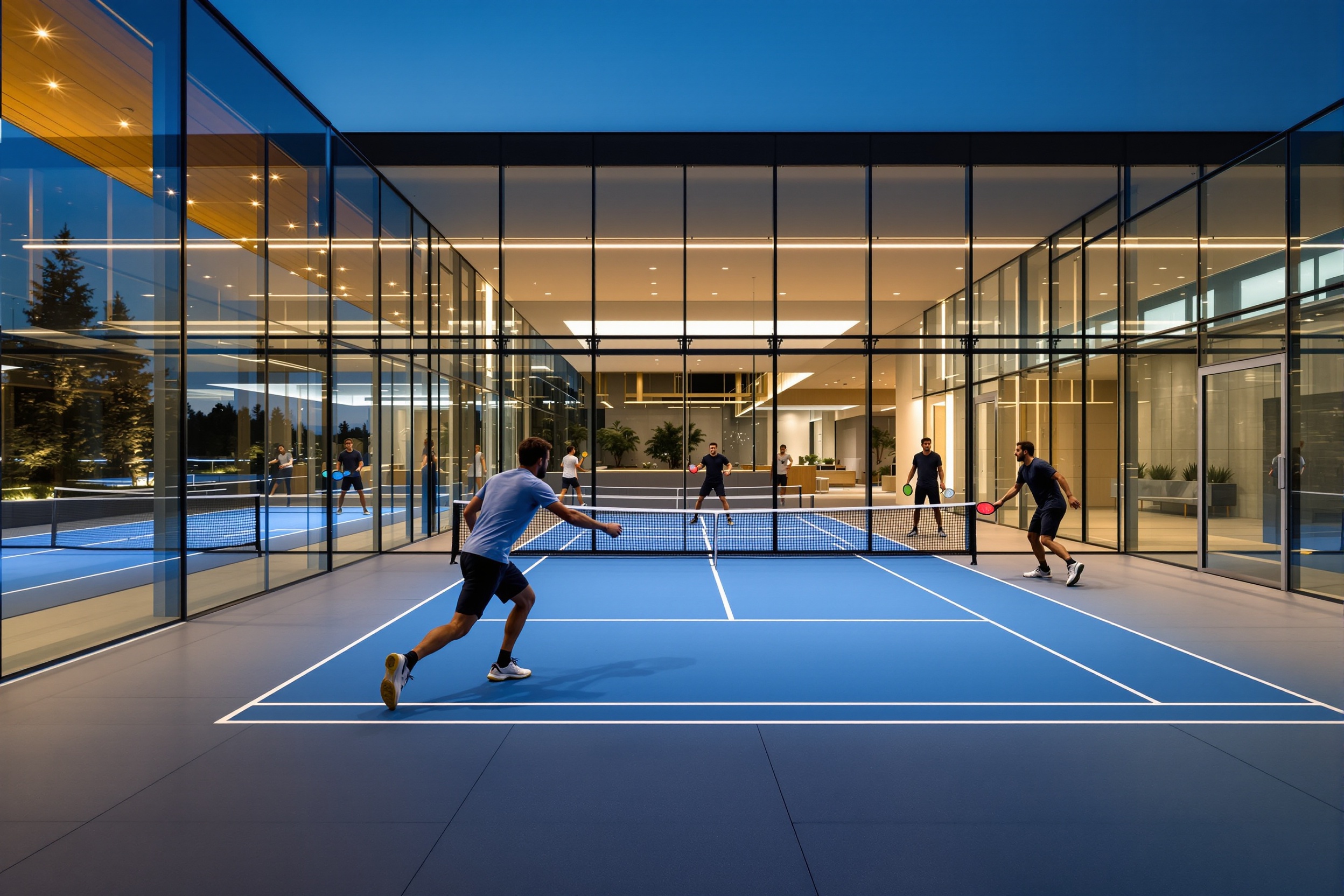
If you have never played either sport, padel is dramatically easier to pick up. The underhand serve, the smaller court, and the forgiving walls mean beginners can sustain rallies within minutes. Tennis, by contrast, requires months of practice before a baseline rally feels natural. The serve alone is a complex technical skill that can take weeks to master at a basic level.
For holiday purposes, this difference is crucial. A tennis holiday often requires you to already play at a reasonable standard, or to commit to intensive coaching just to reach a playable level. A padel holiday welcomes true beginners and guarantees they will be enjoying competitive games within the first day. If your travel companions have mixed sporting experience, padel is the only sensible choice.
Social Experience
Tennis can be social, but it is fundamentally designed for singles or pairs playing in isolation. Two people on a full-size court, forty feet apart, do not naturally chat during play. Padel is the opposite: four players on a small court, close enough to talk throughout the match. The glass walls create a theatre-like enclosure where banter, encouragement, and gentle teasing are all part of the game.
On holiday, this social dimension transforms the experience. A tennis holiday often feels like a series of individual lessons and practice sessions. A padel holiday is a communal event from the first warm-up to the final drinks. Group coaching, rotating partners, and the natural teamwork of doubles all create connections that tennis simply cannot match. For solo travellers and social groups alike, padel wins decisively.
Physical Demands and Injury Risk
Both sports deliver excellent cardiovascular workouts, but padel is significantly less physically punishing. The smaller court eliminates the long sprints that characterise tennis, reducing strain on the knees, hips, and Achilles tendons. The underhand serve removes the repetitive overhead motion that causes shoulder and back issues in tennis players. And the softer surfaces used for padel absorb impact better than hard tennis courts.
For older players, players returning from injury, or anyone who wants sport without suffering, padel is the clear choice. You can play for two hours and still have energy for an evening out. Tennis, particularly on hard courts, often leaves recreational players exhausted and sore. A holiday should leave you feeling better than when you arrived — padel delivers that; tennis sometimes does not.
Tactical Depth and Longevity
This is where tennis traditionally had the advantage. The larger court, higher net, and greater emphasis on power create a tactical complexity that has fascinated players for centuries. Padel, however, has proven equally deep in its own way. The walls introduce angles and rebound patterns that have no equivalent in tennis. The emphasis on positioning, communication, and point construction rewards intelligence over athleticism.
Many ex-tennis players who switch to padel report that the tactical challenge is actually greater, simply because the rallies last longer and every shot offers more options. A padel holiday gives you time to explore this depth, with coaching that reveals layers of the game you might never discover in casual club play. Both sports offer lifelong improvement; padel simply makes that journey accessible from day one.
Ready to Book Your Padel Holiday?
Explore our curated packages or get in touch and we will help you plan the perfect trip.